Need concrete patios in New Castle?
Planning a driveway, patio or stamped surface? Request an estimate, or request a callback to check provider availability. There is no obligation.
No obligationRequest an estimate and compare
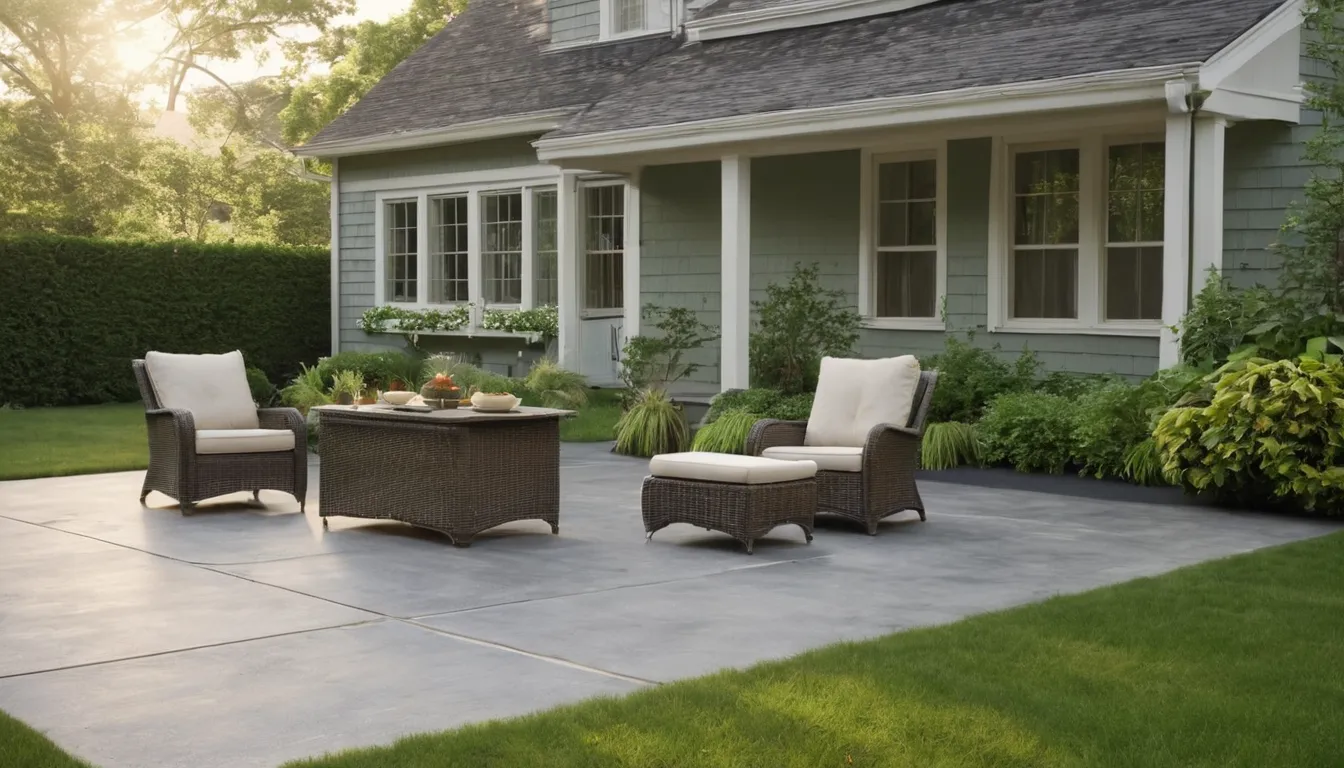
A concrete patio is a flat, hard surface poured outside your home for dining, grilling, or simply sitting in the evening air. Think of it like a good kitchen counter: it only works well if what lies beneath is flat, solid, and sized for how you really live.
Replydrinks Concrete is a referral service. We do not pour concrete. We explain how patio projects usually go, then help you connect with independent providers in the New Castle area who can give you written estimates. You compare the details, ask your questions, and decide at your own pace. There is no obligation to hire anyone.
A patio looks simple from the kitchen window. It is a flat gray rectangle. But a well-built one is more like a layered cake than a single slab, and each layer has a job.
A local provider will usually measure the space, mark the edges, remove grass and topsoil, build a gravel base, set wooden forms, pour the concrete, and finish the surface. Then the slab needs time to cure. Knowing this order helps you read an estimate with confidence.
Concrete is a bit like bread dough. It needs the right temperature to rise and set properly. Hard frost, heavy rain, or a blazing hot afternoon can all cause trouble, so careful providers plan around the forecast.
In regions with four seasons, humid summers, and nor'easters, that often means spring, early summer, and early fall are popular. Booking can take a while in busy months, so Request a callback to check provider availability, or send a request and see who responds.
The phrase "slab, base, season" is a handy way to remember what matters. The slab is what you see. The base is what holds it up. The season is when it all happens.
Imagine setting a dinner plate on a soft pillow. It wobbles and cracks. Concrete does the same on loose soil. A compacted gravel base gives the slab an even, firm bed and lets water drain away instead of pooling underneath.
In areas with winter frost and thaw cycles, that base matters even more. Wet soil expands as it gets cold, and a good base gives that moisture somewhere to go.
Forms are the wooden frame that shapes the edges. Many providers add wire mesh or steel bars inside to help hold the slab together if small cracks form. Control joints, the straight grooves you see in a patio, are planned weak spots so any cracking happens along neat lines.
Most people guess too small. A table, four chairs, and a grill can fill a patio faster than you would expect, and you still need room to walk around them.
Try this: lay out a rope or garden hose on the lawn in the shape you want. Set your real furniture inside it. Live with that outline for a weekend. It is a cheap way to test a plan before anyone digs.
Colonial and split-level homes often have a back door a step or two above the yard. Your patio should meet that door at a sensible height, with a gentle drop away from the house. Rowhouse yards are tighter, so a smaller footprint with a clean shape often works well.
The finish is the outfit your slab wears. The concrete underneath is much the same, but the surface changes the look, the grip, and the price.
A broom finish has fine lines that add grip when wet. It is a common choice for that reason. Exposed aggregate shows small stones in the surface for a textured look. Color can be added to the mix or applied on top.
Stamped concrete patios use patterned mats pressed into fresh concrete to resemble stone, brick, or wood. They take more skill and time, so compare providers carefully if that look appeals to you.
Water behaves like a shopper looking for the easiest path downhill. If your patio slopes toward the house, that is where it goes. Many homes here have basements, so the direction of runoff is not a small detail.
Ask each provider how they plan to slope the patio, usually a slight fall away from the foundation, and where the water will end up. Downspouts and nearby gutters should be part of that conversation.
If you already see cracks in basement walls or gaps where old concrete meets the house, that is a separate issue. It may call for foundation repair experts, and fixing a cracked old driveway or slab is a different kind of work than building a new patio. Sort out those problems first, so your new surface is not poured over a moving problem.
A pour day is noisy and a little messy. Trucks need access, and the area may be fenced off while the concrete sets. Think of it like a kitchen remodel that lasts only a few days outdoors.
Tell providers about school runs, pets, work-from-home calls, and neighbors who share a driveway. Plan around life. A good provider can usually suggest a sequence that keeps your routine mostly intact.
Two estimates can look far apart and still describe different jobs. One may include the gravel base and sealing. Another may not. Lining them up side by side is like comparing grocery bills: you need to see what is actually in the cart.
If you prefer talking it through, Request a callback and ask about connecting with providers for a patio quote. Call hours vary by provider.
New concrete is like a fresh haircut. It looks done, but it needs a little gentle treatment at first. Providers usually ask you to keep heavy loads and furniture off for several days and to keep the surface from drying too fast.
A sealer helps block moisture and stains, and many patios are resealed every few years. In winter, go easy on de-icing salts, since they can scale the surface of young concrete. A plastic shovel is kinder than a metal one.
Sweep leaves and rinse spills early. Small habits like these keep a patio looking tidy for many seasons.
You do not need to settle on size, finish, or budget before you ask. Start with a rough idea, collect a few written estimates, and let the details guide you.
Providers mark the layout, clear grass and soil, and shape the ground so the slab sits level.
A compacted base and wooden forms give the concrete firm support and clean, straight edges.
Concrete is placed, leveled, and given a surface such as broom, smooth, or stamped.
The slab rests while it hardens, and providers clear forms and leftover material.
Patio prices vary with size, site access, soil, finish, and local labor rates. These are typical U.S. ranges only. Always ask for a written quote that lists exactly what is included.
| Item | Typical range | Notes |
|---|---|---|
| Standard broom-finish slab | $6 – $12 per sq ft | Common starting point for most homes |
| Exposed aggregate or colored finish | $10 – $18 per sq ft | Extra materials and finishing time |
| Stamped pattern finish | $12 – $20 per sq ft | Skill-heavy; varies by pattern |
| Excavation and gravel base | $1 – $3 per sq ft | Depends on soil and access |
| Forms, mesh, or rebar | $1 – $3 per sq ft | Adds strength and crack control |
| Sealing | $1 – $3 per sq ft | Often repeated every few years |
Send a request with your rough size, finish ideas, and any timing needs for the project.
Review what each provider includes, from the base to the finish and sealing.
Talk through drainage, scheduling, and cleanup so you know what to expect.
Pick the provider that fits, or pass. The decision is yours alone.
Concrete handles furniture, grills, and foot traffic well when the base and mix are right.
Shape, size, and finish can be tailored to fit your yard and style.
Occasional sweeping, rinsing, and resealing is usually enough to keep it looking tidy and clean.
Written estimates from several providers let you decide calmly, with no obligation or pressure.
Planning a driveway, patio or stamped surface? Request an estimate, or request a callback to check provider availability. There is no obligation.
No obligationMany residential patios are poured about four inches thick over a compacted gravel base. Some sites need more, such as heavy grills or soft soil. Ask each provider to put thickness and base depth in writing.
Most providers suggest staying off new concrete for a day or two and keeping heavy furniture off for about a week. Timing varies with weather and mix, so follow your provider's instructions.
It depends on your town, patio size, and whether it attaches to the house. Rules differ widely, so ask providers and your local building office before work begins.
Planning a driveway, patio or stamped surface? Request an estimate, or request a callback to check provider availability. There is no obligation.
No obligation