Need concrete driveways services in New Castle?
Planning a driveway, patio or stamped surface? Request an estimate, or request a callback to check provider availability. There is no obligation.
No obligationRequest an estimate and compare
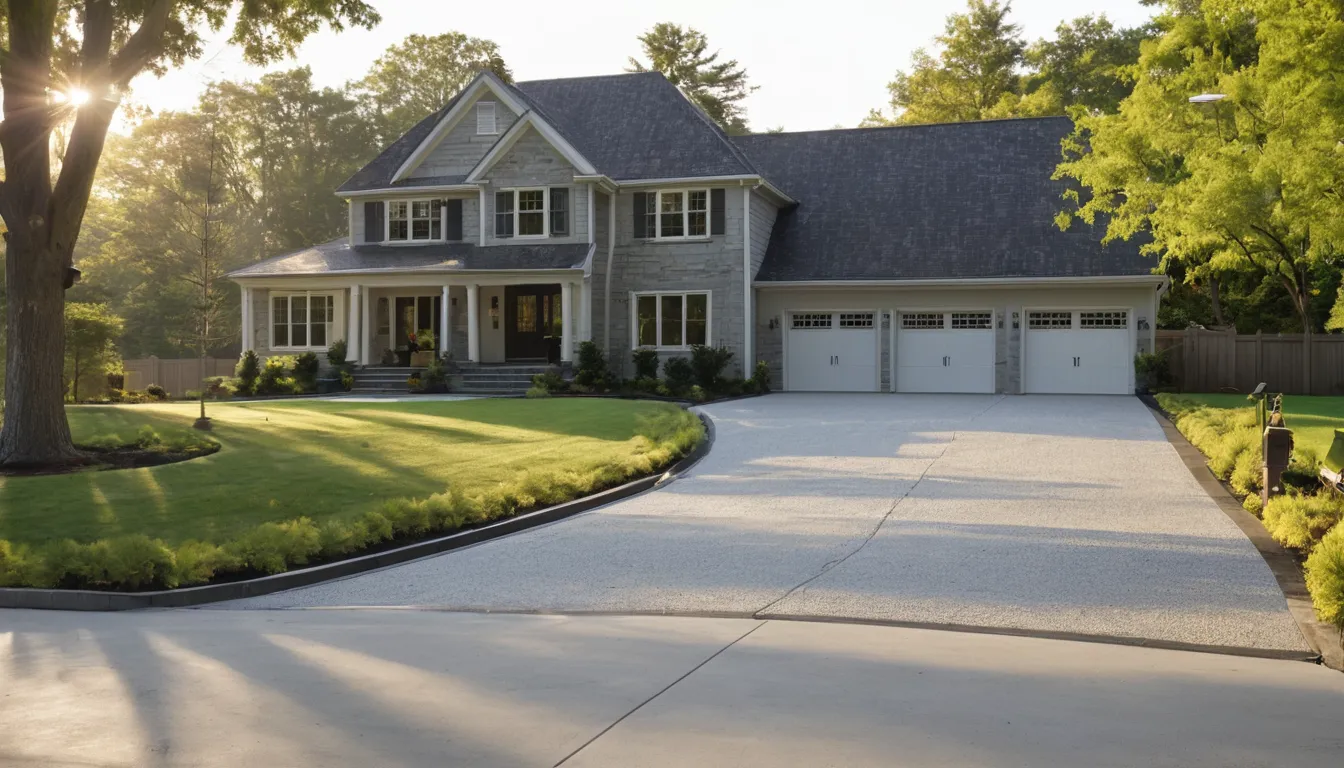
A driveway looks simple, but it is more like a layered cake than a single block. The base underneath, the thickness of the slab, and the joints cut into the surface all work together. If one layer is rushed, the top shows it later.
Replydrinks Concrete is a referral service. We do not pour concrete. We explain how the work is usually done and help you reach independent providers in the New Castle area who handle concrete driveways. You can compare estimates, ask questions, and decide at your own pace. There is no obligation at any point.
Think of a driveway like a pair of work boots. You can patch them for a while, but at some point the patching costs more effort than the boots are worth. A new driveway makes sense when the surface keeps failing in more places than you can fix.
If you have been searching for concrete driveway repair, this page can still help. Repair and replacement are different jobs, and a good provider will tell you which one fits.
Look for a few clear signals:
One hairline crack is normal. Concrete shrinks as it cures, and small cracks often just show where it chose to move.
Water is the main troublemaker. It soaks into small openings, freezes in winter, and expands. Picture a water bottle left in the freezer. The ice pushes outward until something gives.
With four seasons, humid summers, nor'easters and freeze-thaw winters, driveways here get tested often. That is why base prep and drainage matter as much as the concrete itself.
Most projects follow the same general path. Details differ by provider and by property.
If there is an old driveway, it is broken up and hauled away. This is often noisy and dusty, so ask how long that stage usually takes.
The ground is shaped so water runs away from the house. Then a compacted layer of gravel goes down. This is the part you never see, and it carries the weight.
Wooden or metal forms hold the shape. Many providers add wire mesh or steel bars to help hold the slab together if it moves.
Concrete is placed, leveled, smoothed and given a texture. Joints are cut so the slab cracks in neat lines instead of random ones.
Start with how you really use the space. Count the cars, the guests who park on busy weekends, and whether a basketball hoop or a trash-can pad belongs in the plan.
Thickness is about weight. A typical home driveway is often around four inches, while spots that see heavy trucks may need more. Ask each provider what thickness they quote and why.
For finish, a broom texture is the common choice because it grips when wet. Smoother finishes look sharper but can be slick in rain and ice. Colored or exposed-aggregate options exist if you want a different look.
The apron is the part of the driveway where it meets the street or sidewalk. Many towns treat it as public property, so it often has its own rules for width, slope and thickness.
Some areas also require a permit for a full replacement. Ask each provider whether they handle permit paperwork or whether you must file it. Rules vary by town, so check with your local office as well.
A new driveway means no parking on it for a while. Think of it like a freshly painted floor: you wait, and you walk around it.
Before work begins, ask where cars can go, when deliveries might be blocked, and how school or work mornings will be handled. Providers can often schedule around your routine if you tell them early. Concrete usually needs several days before light vehicle traffic and longer before heavy loads, but ask for the exact guidance.
Compare, then decide. Request more than one written estimate and lay them side by side. A low number can hide a thin base or a thinner slab, so do not stop at the total.
Check that each quote lists:
Ask for proof of license and insurance where your state requires it, and verify it yourself. Ask to see photos of past driveways. Ask how they handle drainage and what happens if weather delays the pour.
Be careful with anyone who asks for a large payment upfront or pushes you to sign on the spot. A good provider is comfortable with questions.
Driveways are one kind of concrete flatwork, along with walkways and pads. If your plan includes a foundation concern, such as water pooling near the house, mention it. Some providers can point you toward foundation repair experts, and a solid grading plan can ease the pressure on your basement walls.
Keep cars, bikes and pets off until your provider says it is safe. Water the slab lightly if they suggest it, since slow curing makes stronger concrete.
A sealer is often applied after the concrete has cured. It acts like a raincoat, slowing water and salt. Ask when to apply it and how often to renew it. Go easy on de-icing salts the first winter.
Tell us about your project, and independent providers in our network can send estimates for you to review. You can ask questions, say no, and take your time.
Breaking up the worn slab and hauling it away so the new work starts on clean ground.
Shaping the ground for drainage and packing gravel so the slab has firm support.
Setting the edges and adding mesh or rebar to help hold the slab together.
Placing, smoothing and texturing the concrete, then cutting joints to guide cracks.
Prices vary by size, site access, thickness and finish. These ranges are general only, so always ask for a written quote.
| Item | Typical range | Notes |
|---|---|---|
| Standard plain concrete driveway | $6 – $12 per sq. ft. | Varies with thickness and local labor |
| Old driveway removal | $1 – $3 per sq. ft. | Depends on thickness and disposal fees |
| Base and grading work | $1 – $3 per sq. ft. | Poor soil or slopes cost more |
| Colored or textured finish | $2 – $6 per sq. ft. | Added on top of base price |
| Street apron or permit work | $200 – $1,500 | Rules differ by town |
| Sealer after curing | $0.50 – $2 per sq. ft. | Often renewed every few years |
Tell us about your driveway size, current surface and what you hope to change.
Independent local providers in our network review your request and reach out with next steps.
Line up the quotes, check what each includes, and ask about base, thickness and timing.
Pick the provider that fits your needs, or take more time. The choice stays yours.
Review several written estimates side by side, ask your questions, and choose at your own pace.
Providers in our network work in your area and understand the weather your driveway faces.
We explain the steps and terms in simple words, so quotes make more sense to you.
Requesting an estimate does not commit you to hiring anyone.
Planning a driveway, patio or stamped surface? Request an estimate, or request a callback to check provider availability. There is no obligation.
No obligationA well-built concrete driveway often lasts several decades. Base prep, thickness, drainage and winter care all matter. Ask providers how they build for freeze-thaw weather, and keep up with sealing as they advise.
Small cracks and minor flaking can often be repaired. Deep cracking, sunken areas or widespread crumbling usually point to replacement. Ask providers to look at the base problem, not just the surface, before you choose.
Foot traffic often comes first, then light vehicles after several days, and heavier loads later. Timing depends on the mix and weather. Follow your provider's specific instructions and ask them for a clear date range.
Planning a driveway, patio or stamped surface? Request an estimate, or request a callback to check provider availability. There is no obligation.
No obligation